Evening Thoughts
A Seasonal Checklist for an Italian Autumn Evening
The light goes first. Somewhere in the second half of September the evening stops arriving at nine and starts arriving at seven, and the kitchen window turns from white to blue while you are still deciding what to cook. In Italy that shift is not treated as a loss. It is treated as an invitation: come inside, put a pot on the stove, and stay a while.
What follows is a checklist of sorts, not a rigid schedule. It is a set of small decisions — about light, food, air and a few minutes of quiet — that make an ordinary autumn evening feel chosen rather than survived. Take what is useful, leave the rest for another night.
Begin With the Light, Not the Menu
Before you think about food, look at the room you will be sitting in. Autumn evenings fall dark early, and most of us answer the dark by switching on every overhead light in the house. Do the opposite. Pick one warm lamp in the room where you will eat, turn the ceiling light off, and close the shutters against the black window. The room will feel smaller and better.
Candles help, but only if they are already out. Keep two stubs and a box of matches on the table so lighting one takes seconds instead of a search through a drawer.
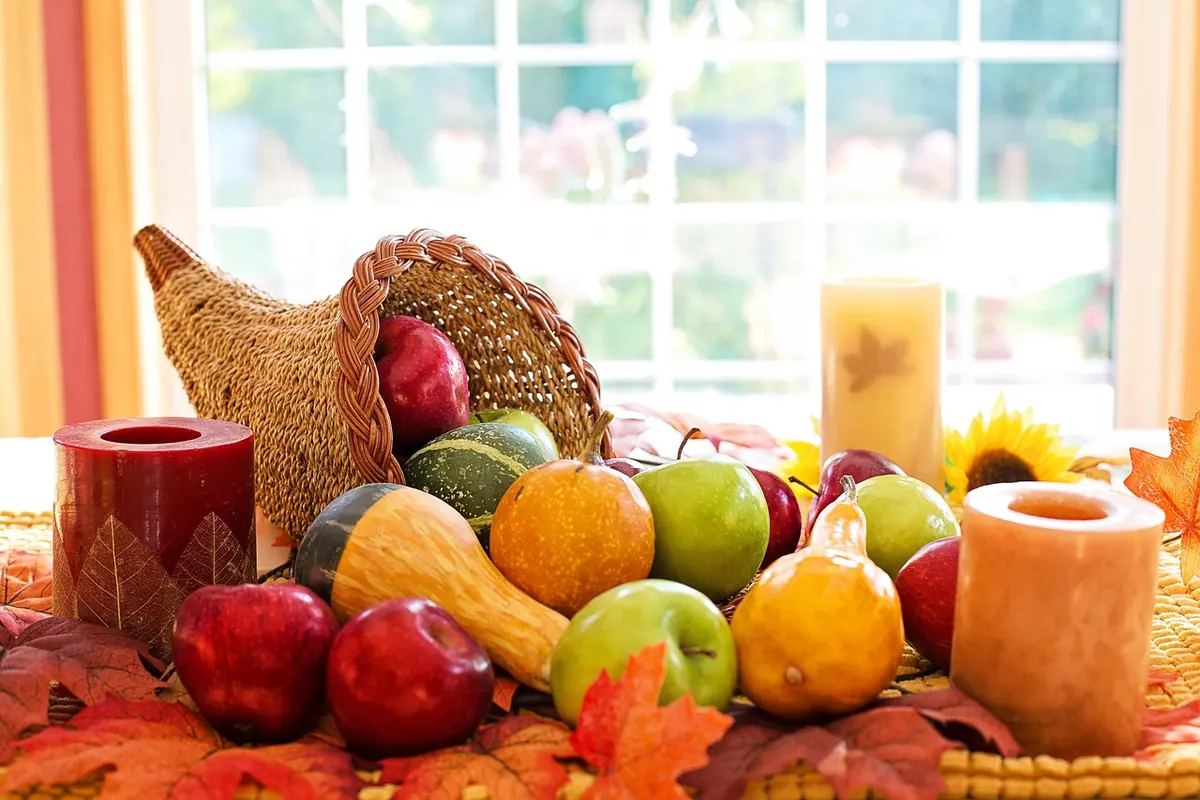
The rest takes five minutes: clear the table down to bare wood and put one thing on it, whether a bowl of fruit, a candle or a jug. Drape a blanket over the back of the chair you will use. Open a window for three minutes to change the air, then close it against the chill. That is the whole setup, and it costs almost nothing.
Keep the Aperitivo Small
The instinct when the week has been long — or when someone is coming over — is to turn the aperitivo into dinner. Resist it. A proper aperitivo is one glass and one small plate, taken standing in the kitchen, ideally within an hour of finishing work. Its job is to mark the border between the day and the evening, not to fill you up before the meal you actually planned.
For the glass, keep it simple: a vermouth with a strip of orange peel, a spritz, a bitter topped with soda, or a non-alcoholic version — bitter orange soda, or sparkling water with lemon and a sprig of rosemary. For the plate, a bowl of olives, a handful of taralli or nuts, three slices of salame, a few grissini. Whatever fits on one plate without stacking.
Thirty minutes, then you cook. That is the rhythm, and it is the reason the rest of the evening feels unhurried.
Choose Something That Rewards Waiting
The food that suits an autumn evening is rarely the food that is fast. It is the food that takes a long time and very little attention: a pot of beans with garlic and rosemary, a ragù left to mutter on the lowest flame, a tray of pasta al forno, polenta stirred slowly while something else sizzles in a pan next to it.
If you have dried beans, soak them in the morning and cook them gently with a bay leaf and a parmesan rind. If you only have a tin, you can still get most of the way there: warm good olive oil, crush in garlic, add rosemary, tip in the beans with a little of their liquid and a piece of parmesan rind, and let them sit at a bare simmer for twenty minutes. Mash a few against the side of the pot to thicken what is left.
A small menu for two that works on almost any cold night: chickpeas cooked that way, a slice of bread toasted under the grill and rubbed with oil and salt, wedges of pumpkin roasted with rosemary and a pinch of chilli, and a pear baked with honey and a crumbled amaretto biscuit for afterwards. Nothing demands your attention for more than five minutes at a time.
Go Out Once, Even If It Is Cold
After dinner, or before it, walk. Not for exercise — for the walk itself, the way Italians do when the streets fill up after eating. Put on a coat and a scarf, take the long way round the block, and leave the phone in your pocket.
Autumn is the best season for this because there is so much to notice: woodsmoke, wet leaves, the smell of a bakery still working, a chestnut roaster on a corner, shop windows lit against the early dark. Ten minutes is enough. The point is the return — the door, the warmth, the kettle going on or the last of the bottle poured.
Buy What the Season Is Actually Selling
A market in October and November is a different place from a market in June. Look for these and let them decide the week's cooking:
- Chestnuts — score the flat side with a knife, roast them hot, then wrap them in a towel for ten minutes so they peel cleanly.
- Porcini — brush them rather than washing, and cook them fast in a hot pan with garlic and parsley, or fold them through tagliatelle.
- Pumpkin and squash — cut into wedges, oil, salt, roast until the edges caramelise. Better than anything you can do to them on the hob.
- Radicchio di Treviso — halve, oil, salt, and grill or roast until the leaves char at the tips. The bitterness cuts through anything rich.
- Cachi (persimmons) — wait until they are soft as a peach and eat them with a spoon, standing up, over the sink.
- Quince — poach in syrup with a vanilla pod, or cook down into a paste to serve with cheese.
- New olive oil — cloudy, green and peppery in the first weeks. Use it raw, on beans and bread, rather than for frying.
- Lentils — simmer with a bay leaf and a spoonful of tomato until just tender; they need nothing else but a drizzle of oil at the end.
Three Questions for the Quiet Part
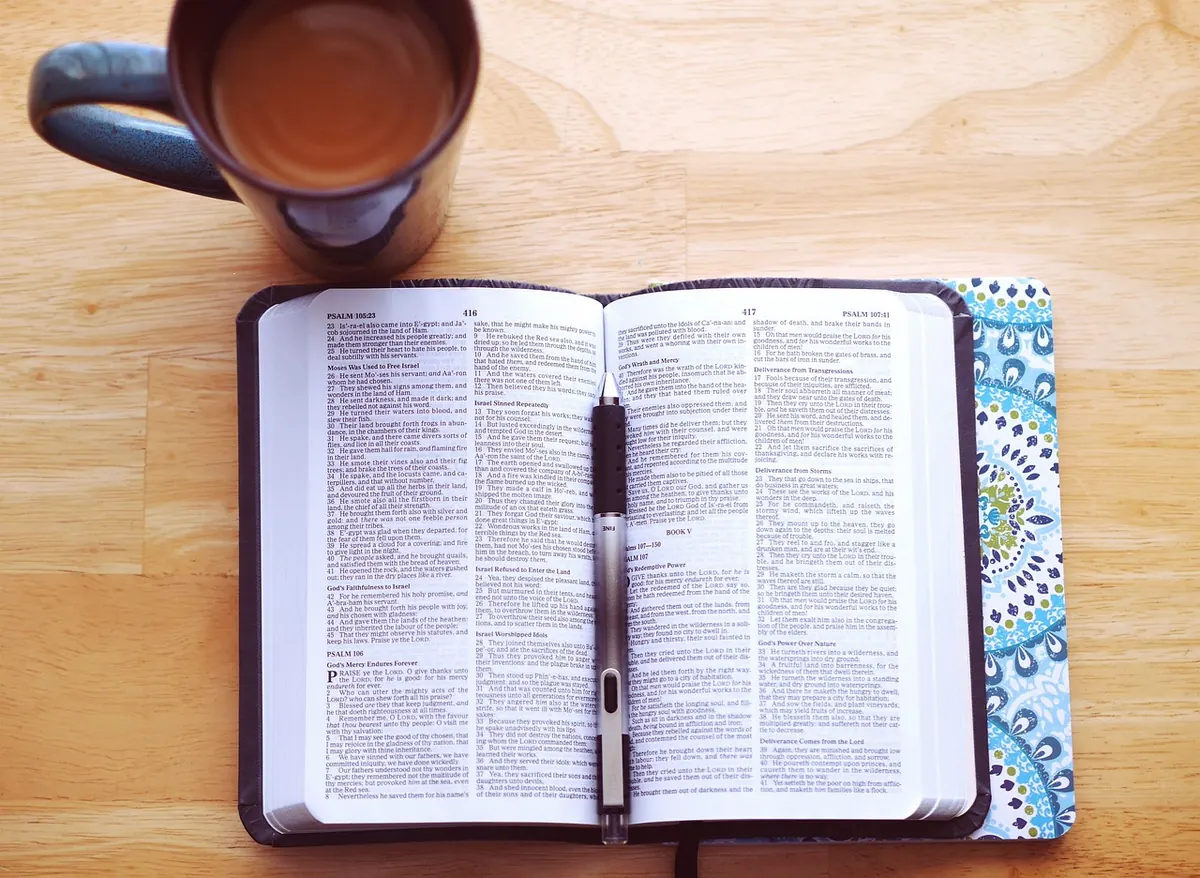
The darker evenings are good for thinking, but only if you give the thinking somewhere to go. Three minutes with a notebook is enough. Answer one question or all three, in plain sentences, without editing:
- What did I actually do today, as opposed to what I meant to do?
- What have I been carrying that has gone out of season?
- Who would be glad to hear from me this week?
Then close the notebook. The point is to notice, not to solve anything before bed.
The Checklist, Condensed
If you remember nothing else, remember this order. It works whether you are alone, cooking for two, or expecting people at eight.
- One warm lamp, no ceiling light, matches within reach.
- One glass and one small plate, before seven.
- Something on the stove that can be left alone for an hour.
- Ten minutes outside with a coat on and your phone away.
- One seasonal thing bought that you had not planned to buy.
- Three lines in a notebook before the lights go off.
None of this requires a trip to Italy or a well-stocked pantry; it requires deciding, at about six in the evening, that the next few hours are worth a little arrangement. If you are drinking, keep it to one glass, and skip it altogether if you are driving.
Photo: JillWellington / Pixabay