Reflections
Slow Living vs. Italian Dolce Far Niente: What's the Difference?
There is a particular kind of Tuesday evening when the two ideas collide. You get home, the kitchen is a state, and you have a choice: light a candle, put the phone in a drawer and follow the twenty-minute ritual you saved last month — or sit on the step outside with a glass of something cold and watch the light go orange. Both feel like a small rebellion against the same thing. They are not the same rebellion.
Slow living arrives with a to-do list attached. Dolce far niente arrives with nothing at all. Learning to tell them apart has made me better at both, and far less likely to turn rest into another project to be managed.
What Slow Living Actually Means
Slow living is a set of decisions about pace. It grew, loosely, out of the slow food movement that began in Italy in the 1980s — a protest against fast food, but just as much a defence of local produce, long lunches and knowing who grew your tomatoes. The lifestyle version widened from there: fewer things, better made; fewer commitments, more fully kept.
In daily life it looks like specific, unglamorous choices:
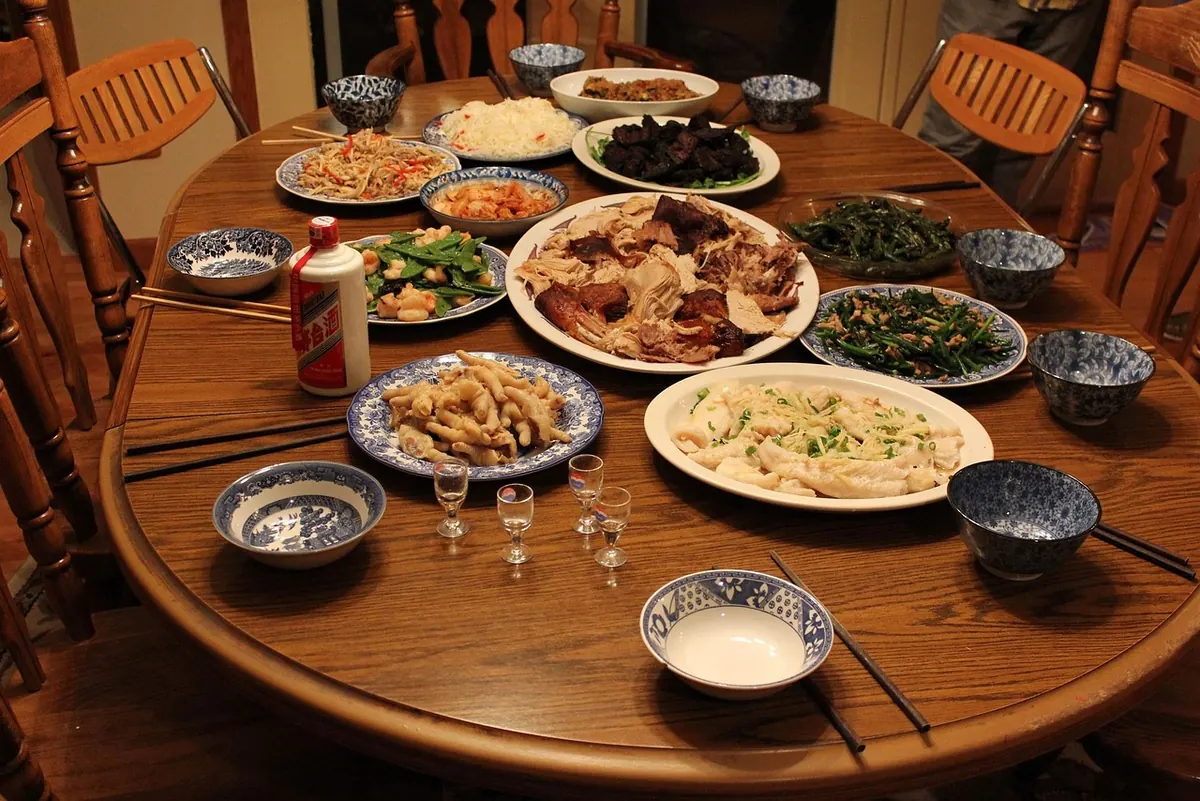
- cooking dried beans instead of opening a tin, because the long simmer is part of the point
- one good coat instead of four cheap ones
- leaving a gap between meetings so you are not sprinting between them
- buying the second-hand table and sanding it yourself
- walking to the shop you could drive to in four minutes
Nothing on that list is passive. Slow living is deliberately effortful. It asks you to choose quality over quantity and then to actually show up for the consequence: the longer cooking time, the higher price, the Saturday spent sanding. It is a philosophy of attention, and attention costs energy.
Dolce Far Niente Is Not the Same Thing
Dolce far niente translates, roughly, as "the sweetness of doing nothing." Note the wording. Nothing. Not less. Not better. Nothing.
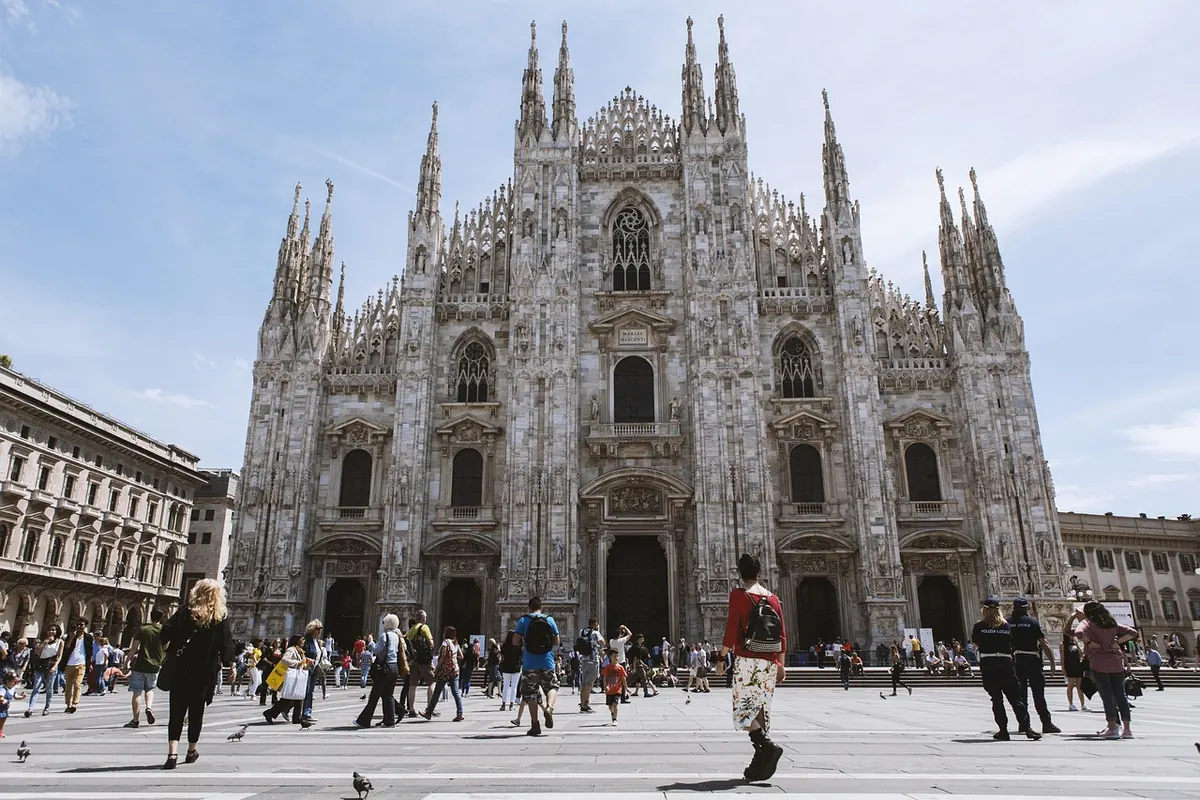
People say it with a smile, usually while leaning against a warm wall in the shade. It is not a philosophy with a reading list, and it does not require you to restructure your life. It is a permission slip that Italian culture hands out more freely than most: the notion that an hour spent in a piazza watching other people walk past is not wasted time waiting to be justified later.
That is exactly why the two get confused. Both resist the idea that every minute must produce something. But slow living wants your minutes to be well spent. Dolce far niente does not care what happens in them at all.
Slow living asks: is this worth doing properly? Dolce far niente asks: is there anything that needs doing right now? Most days, only one of those questions is the useful one.
Where They Meet
Both push back on the same assumption: that being busy is proof of being worth something. Both value the long afternoon over the spreadsheet. Both ask you to stop treating rest as something you have to earn first.
There is a shared practical core, too, and it is the part that actually changes your week:
- Protect time you do not sell. One hour that produces nothing for anyone else.
- Remove the second screen. Half-doing something is usually what makes rest feel unsatisfying.
- Let a task take as long as it takes. Rushing a good meal ruins it more than the extra twenty minutes ever would.
- Notice what you are doing while you are doing it. If you cannot describe the last ten minutes, you were not really in them.
- Repeat on a schedule rather than on a whim. Rest that only happens once everything else is finished never happens.
Where They Part Ways
Slow living wants a plan
It has intentions. It improves things — the sourdough gets better, the jumper gets mended, the evenings get quieter because you stopped agreeing to everything. Slow living is a way of building a life you do not need a holiday from. That is a project, in the best sense, and projects need structure.
Dolce far niente wants an empty afternoon
It has no intentions whatsoever. The moment you schedule it, track it, or judge how well you did it, you have converted it into something else. It is the two hours when the phone stays inside and nobody knows where you are. Nothing is improved. Nothing is achieved. The light goes orange and then it goes away.
Two traps are worth naming. The first is turning niente into a productivity hack — the "strategic rest" that is really just recovery so you can work harder. The second is using niente to avoid the honest effort slow living asks for: the mending, the cooking, the difficult conversation. One is rest dressed up as work. The other is rest dressed up as avoidance.
How to Tell Which One You Need
You usually need slow living when the problem is the shape of your days. You keep buying things instead of repairing them. You feel rushed through things you supposedly enjoy. Your calendar is full of obligations you would not choose again. The fix is structural, and it takes a season, not an evening.
You usually need dolce far niente when the problem is that you have forgotten how to stop. Your rest has become a project — the bath with the correct salts, the walk with the podcast at 1.5x speed, the hobby with the equipment. You feel vaguely guilty sitting still. You reach for the phone within ninety seconds of any pause.
Most of us need both, in different proportions, and the proportions shift. A demanding month calls for more niente. A drifting month calls for more slow living.
Start With One of Them This Week
Pick a single slow-living change small enough that you will actually do it. Cook one meal from scratch, on a weeknight, without a screen propped up in front of you. Mend the thing you were going to replace. Walk somewhere you would normally drive. Keep it to one, and let it be a little inconvenient — that is the point.
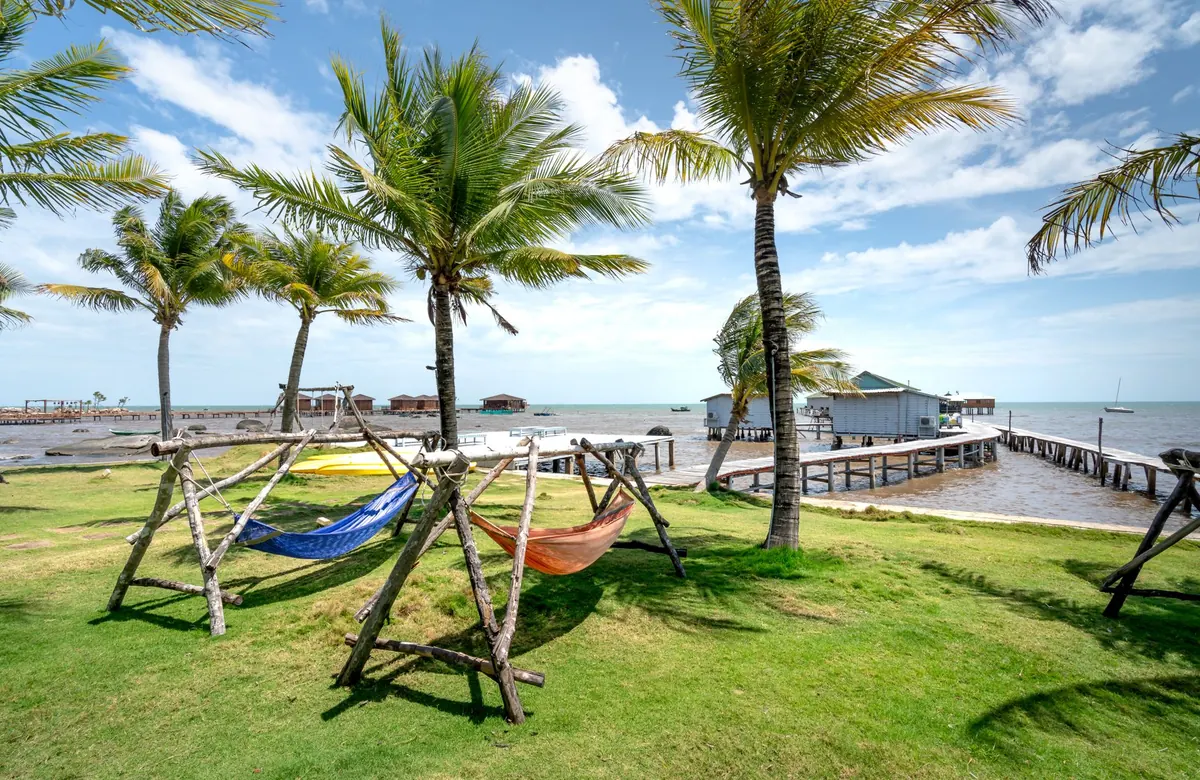
Then block thirty minutes you cannot schedule anything into. No podcast, no plan, no justifying it to anyone afterwards. Sit somewhere with a bit of a view, or no view at all. Bring a drink. Leave the phone inside. If you get bored, stay bored for a few more minutes; boredom is usually the doorway, not the problem.
Do not call it self-care and do not tell anyone you are doing it. Slow living can be explained over dinner. Dolce far niente tends to fall apart the moment you try.
Photo: Quang Nguyen Vinh / Pexels