Italian Living

How to Create an Italian Evening Ritual: A Beginner's Guide
At 6:40 on a Tuesday, the kitchen counter is still holding the day: unopened mail, a phone, a coffee cup. The Italian evening ritual begins not with a bottle of something special but with a decision to clear six inches of space. It is a way of punctuating the hours, the way a good sentence uses a comma. You do not need a terrace in Rome or a cupboard full of aperitivo glasses. You need a boundary, a small snack, a little music, and a few minutes of quiet attention. What follows is a beginner’s sequence you can repeat, adjust, and make your own.
Start with a Boundary, Not a Bottle
Before you pour anything, mark the end of the working day. Choose a signal that takes less than two minutes: close the laptop, change out of work clothes, open a window, or put your shoes by the door. The signal matters more than the ceremony. Without it, aperitivo becomes another task on the list, something to rush through before dinner.
Then set a timer for twenty-five minutes. This is aperitivo, not dinner and not a second shift. Put one glass, one small bowl, and one napkin on a tray. Carry the tray to a chair, a small table, or a windowsill. The drink can be alcoholic or not. A bitter orange soda with sparkling water, a small glass of white wine, or a vermouth spritz if you drink alcohol. Keep it light; the point is the pause, not the volume. If you are drinking alcohol, stop when it stops feeling like a pause.
The first few times, you may feel restless. That is normal. Sit with it for five minutes longer than feels comfortable. The ritual is teaching your body that the day has a seam in it.
Set a Small, Deliberate Table
Use the smallest table you have, even if it is a stool. A large empty table can feel like a demand for a dinner party. A small surface feels like an invitation. Put down a cloth napkin or a folded tea towel. Add one low light: a candle, a small lamp, or a tea light in a sturdy holder. Keep the overhead light off if you can.
The Three-Item Rule
- One glass, already filled with something cold.
- One small bowl of something salty or bright: olives, almonds, taralli, cherry tomatoes, or a few cubes of cheese.
- One low light, placed so it does not glare into your eyes.
That is enough. Resist the urge to add three more bowls, a cheese board, and a playlist of themed cocktails. Abundance has its place, but a beginner’s ritual needs repetition, not performance. Put your phone in another room. If it must stay nearby, turn it face down and switch off notifications.
Choose Music That Leaves Room to Think
Music sets the tempo of the ritual. Pick one album, not a shuffle. A forty- to fifty-minute record gives the evening a beginning and an end. A spare Italian jazz trio, a Baroque cello suite, an acoustic folk record, or a collection of old standards all work. The genre matters less than the pace. You want music that sits behind you, not on top of you.
The Soundtrack Test
If you have to raise your voice to talk over it, it is too loud. If you keep checking your phone to change the song, it is too busy. If you forget it is playing, it is right. Let the album finish or turn it off after three songs. Silence is not a failure of atmosphere. On some evenings, the tick of a clock and the sound of a neighbour’s door are the correct soundtrack.
Eat Slowly, Standing Is Optional
Food at aperitivo is a bridge, not a meal. Put out three things, not seven. A handful of olives, a few slices of bread with olive oil, and a small piece of cheese will do. If you eat meat, a little prosciutto or salami is enough. If you do not, salted almonds and roasted chickpeas are just as good. The food should be easy to eat with your fingers and easy to put away.
Sit down. This is the part people skip. Standing at the counter while scrolling is not a ritual; it is a pause-shaped interruption. Sit where you can see the light and the bowl. Eat one olive. Then another. Notice the salt, the oil, the cold drink. If you live with someone, talk about the smallest part of the day: the queue at the post office, the song you heard in the car, the email you are glad to have sent. If you are alone, let the quiet be quiet.
The snack is not the point. The gap it creates is.
Close with Three Quiet Questions
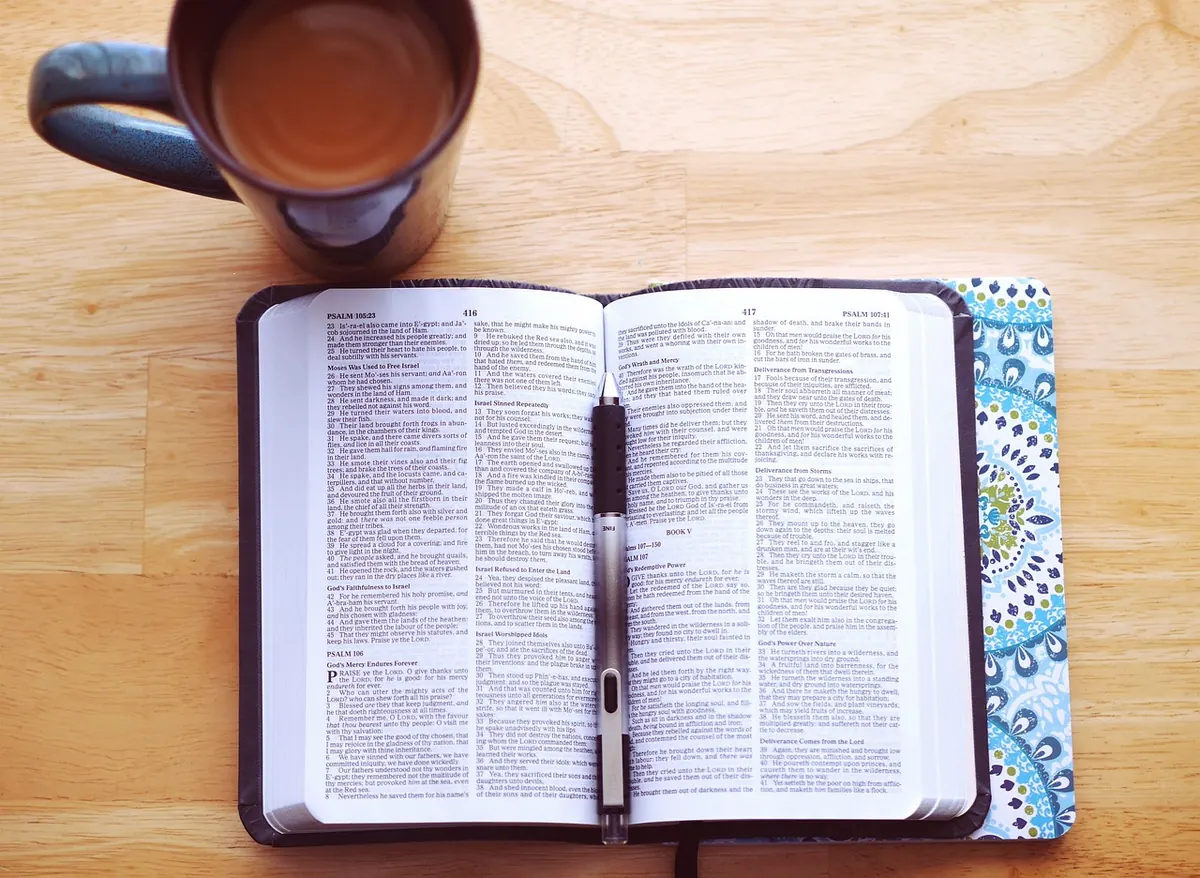
After the glass is empty, give yourself five minutes. A notebook helps, but the back of an envelope works. Ask three questions: What did I notice today? What can wait until tomorrow? What is one small thing I want to carry into tomorrow? Write one sentence for each. Do not turn this into a productivity review or a gratitude exercise that feels forced. The answers can be ordinary: “The light at four o’clock was good.” “The invoice can wait.” “I want to walk before breakfast.”
When you finish, blow out the candle or switch off the low lamp. Put the glass by the sink. The ritual is over. This small ending matters because it tells your mind that the pause was real, not just a gap between tasks. If you missed a day, begin again the next evening without ceremony. A ritual that requires a perfect streak is not a ritual; it is a test.
Make It Work on Ordinary Days
Some evenings will be too hot, too late, too full of laundry. The ritual can shrink. It can also survive guests, children, and a kitchen that smells of tomorrow’s lunch. The point is not to protect an ideal hour. The point is to keep a small door open.
The Twenty-Minute Version
- Clear one small surface.
- Pour a cold drink—sparkling water with lemon counts.
- Put out one snack in a bowl.
- Play one album side or three songs.
- Sit for fifteen minutes and write one sentence about the day.
When you have guests, make the aperitivo the whole event: one drink, two bowls, and no pressure to cook dinner. When you have children, give them a small bowl of olives and a glass of water at the same table. They will remember the rhythm more than the menu. When you are tired, skip the music and keep the questions. The ritual is not an escape from your life; it is a way of noticing it.
A Short Guide to Beginning Tonight
Pick a time within the next two hours. Clear one surface. Put out one glass and one small bowl. Choose one album. Sit for twenty minutes without your phone. Before bed, write three sentences. Repeat tomorrow if it helps; skip it if it does not. The goal is not to perform Italian living. It is to build a seam in the day where you can breathe, taste something small, and let the evening arrive before it is already over.
Photo: benniaotang / Pixabay